Transforms Architecture Through Collaborative Facilitation (self-interview of Undi Gunawan)
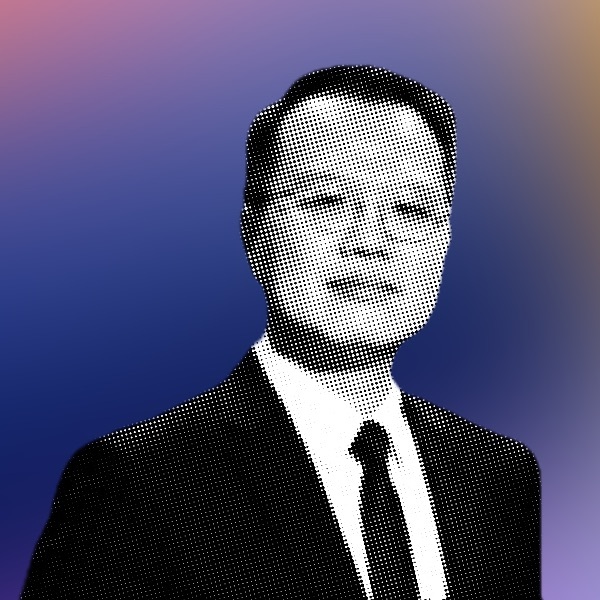
Undi Gunawan is an architect, facilitator, and design educator whose work integrates spatial thinking, philosophy, and collaborative methodologies. Growing up in Indonesia’s richly plural cultural environment played a defining role in shaping his worldview. Navigating diverse traditions, perspectives, and social contexts instilled in him a deep appreciation for inclusivity, empathy, and open-mindedness.
These early experiences became the foundation of his professional direction, leading him toward architecture and facilitation as a means of bridging differences and creating environments where diverse ideas can coexist and thrive.
Architecture as a Tool for Inclusion and Connection #
For Undi Gunawan, architecture extends beyond physical structures. It becomes a medium for communication, collaboration, and social integration. His practice focuses on using spatial thinking and design methodologies to break down communication silos and foster inclusive environments.
His work is deeply influenced by the intersections of architecture, philosophy, culture, and pedagogy. This multidisciplinary foundation allows him to approach complex creative and strategic challenges through both theoretical depth and practical facilitation techniques.
By blending academic research with hands-on engagement, he creates frameworks that help individuals and organizations think more collaboratively and systemically.
International Recognition in Facilitation and Design Methodology #
One of Undi Gunawan’s most significant achievements was being invited as an international trainer and facilitator at the “Bricks by The River” LEGO® SERIOUS PLAY® practitioners’ retreat in Vietnam. There, he led sessions combining the Community Canvas framework with LEGO® SERIOUS PLAY® methodology.
This milestone marked an important validation of his facilitation approach on a global stage. It connected him with international practitioners and demonstrated the effectiveness of structured play in addressing complex community-building and organizational challenges.
His work in this space highlights the growing relevance of experiential learning and object-mediated design thinking in modern facilitation.
Transforming Design Education Through Systems Thinking #
Undi’s approach to architectural education is particularly focused on first-year students, a stage where learners often struggle with uncertainty and the shift from structured academic problems to open-ended design challenges.
He addresses this transition by restructuring studio environments to treat design as a research-driven, iterative process rather than a talent-based discipline. His teaching methodology emphasizes making, diagramming, and hands-on exploration as tools for externalizing thought.
By breaking down complex spatial concepts into accessible exercises, he helps students overcome the fear of being “wrong” and reframe failure as a necessary part of the creative process. This approach builds confidence while developing critical design thinking skills.
Integrating Theory, Philosophy, and Agile Methodologies #
Currently, Undi Gunawan is focused on synthesizing spatial theory and phenomenology with agile frameworks such as Design Thinking and LEGO® SERIOUS PLAY®. His goal is to apply these hybrid methodologies to both academic and corporate environments.
Through this integration, he helps organizations and students dismantle communication barriers and improve collaborative problem-solving. His approach emphasizes systems thinking, enabling teams to understand underlying structures rather than focusing solely on surface-level challenges.
This unique combination of philosophy and applied facilitation positions his work at the intersection of academic research and practical innovation strategy.
A Systems-Based Approach to Problem Solving #
A central theme in Undi’s work is systems thinking. He emphasizes the importance of looking beyond immediate problems to understand the broader structures that shape outcomes.
Whether in design studios or corporate environments, he trains individuals and teams to deconstruct challenges, identify root causes, and build resilient frameworks. This systemic perspective allows for more adaptive, scalable, and meaningful solutions.
His facilitation methods encourage participants to see innovation as an ecosystem rather than a series of isolated actions.
Impact, Vision, and Long-Term Goals #
Undi Gunawan aims to bridge the gap between deep theoretical frameworks and actionable strategic applications. His vision is to demonstrate that philosophy, spatial thinking, and structured design methodologies are essential tools for modern innovation.
He hopes to be remembered as an educator and facilitator who transformed how people think, collaborate, and create—breaking down silos through structured, object-based design practices.
His work continues to influence both academic and professional spaces, fostering environments where inclusive thinking and systemic awareness drive innovation.
Core Philosophy: Value, Respect, and Inclusive Growth #
Undi’s guiding philosophy centers on value creation and mutual respect. He believes that sustainable professional growth is built not on self-promotion, but on delivering meaningful contributions to students, peers, and organizations.
He emphasizes the importance of respecting diverse perspectives while also standing confidently in one’s expertise. This balance, he believes, is essential for building inclusive spaces and driving meaningful innovation.
Conclusion #
Undi Gunawan represents a new generation of architects and facilitators who merge spatial thinking, philosophy, and collaborative methodologies to reshape how people learn, design, and solve problems.
Through his work in education, facilitation, and systems thinking, he continues to challenge traditional boundaries, creating frameworks that encourage deeper understanding, stronger collaboration, and more inclusive forms of innovation.
Connect and follow his thoughts and ideas on LinkedIn